

Ditch the store-bought bottle for good! This homemade balsamic vinaigrette takes just 5 minutes, uses simple pantry staples, and tastes better than anything you can buy at the store!
Save This Recipe to Your Email!
I used to buy balsamic vinaigrette at the grocery store every single week — until the day I actually read the ingredient label. Caramel color, xanthan gum, and a sodium count that made me do a double-take. That was the last bottle I ever bought.
This homemade balsamic salad dressing takes exactly 5 minutes, uses ingredients you already have, and tastes like something you’d get at a really good restaurant. I’ve been making a batch every Sunday ever since, and my salads have never been the same.
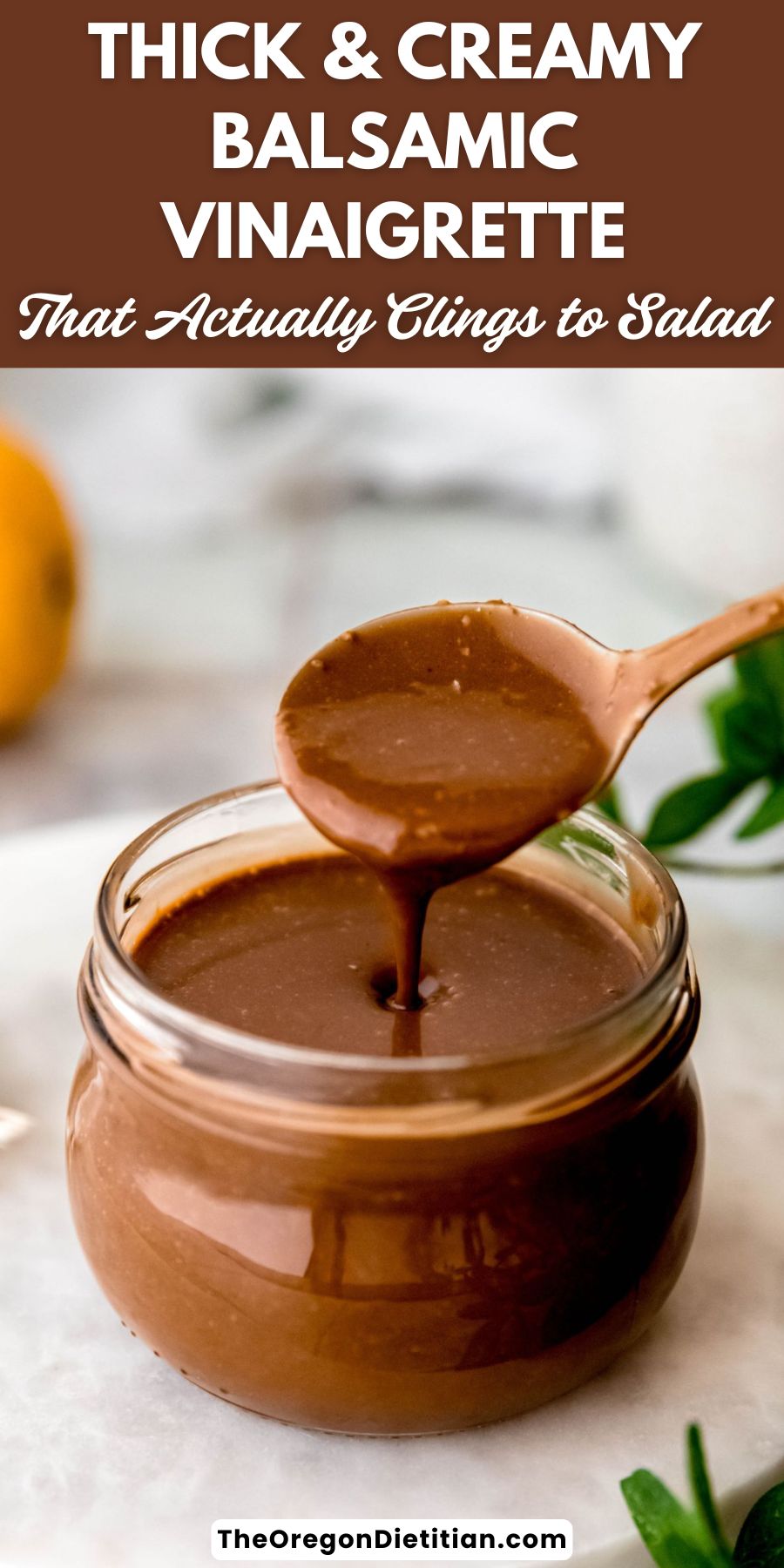
Here’s the thing about store-bought balsamic dressing that nobody talks about: it’s watery. You drizzle it on your salad and it pools at the bottom of the bowl instead of clinging to every leaf. Homemade balsamic vinaigrette — especially when you make it in a blender — is thick, emulsified, and bold in a way that no bottle from the salad dressing aisle can touch.
Jump to:
What Does Balsamic Vinaigrette Taste Like?
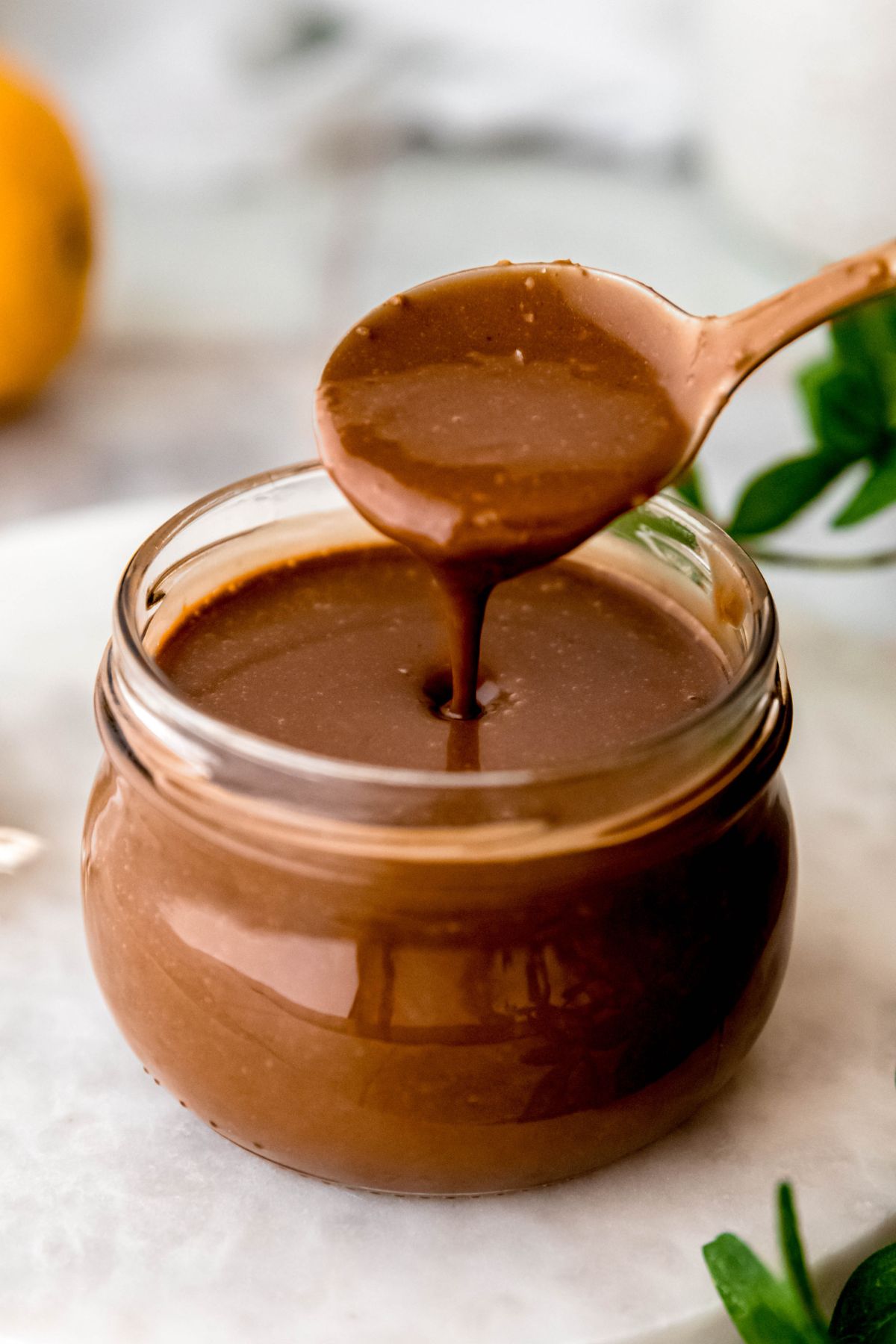
Okay, so this dressing is tangy, slightly sweet, and so much richer than anything that comes out of a bottle. The balsamic vinegar brings this bold, almost fruity depth that I honestly can’t get enough of.
The Dijon mustard keeps everything thick and creamy instead of separating into an oily mess at the bottom of your bowl — and the honey, garlic, and lemon juice round it all out perfectly. It’s the kind of dressing that makes you actually excited to eat a balsamic vinaigrette salad.
Why You Will Love This Balsamic Salad Dressing Recipe
- Ready in 5 minutes. Toss everything in a blender and you’re done. No cooking, no chopping, no fuss.
- Better than store-bought. Thicker, bolder, fresher — and no preservatives, artificial colors, or mystery ingredients.
- Pantry staples only. If you have balsamic vinegar and oil in your pantry, you’re already most of the way there.
- Dietitian-approved. Simple, whole-food ingredients with heart-healthy fats from the avocado oil.
- Incredibly versatile. Salads, grain bowls, roasted veggies, marinades — this dressing does it all.
Ingredients
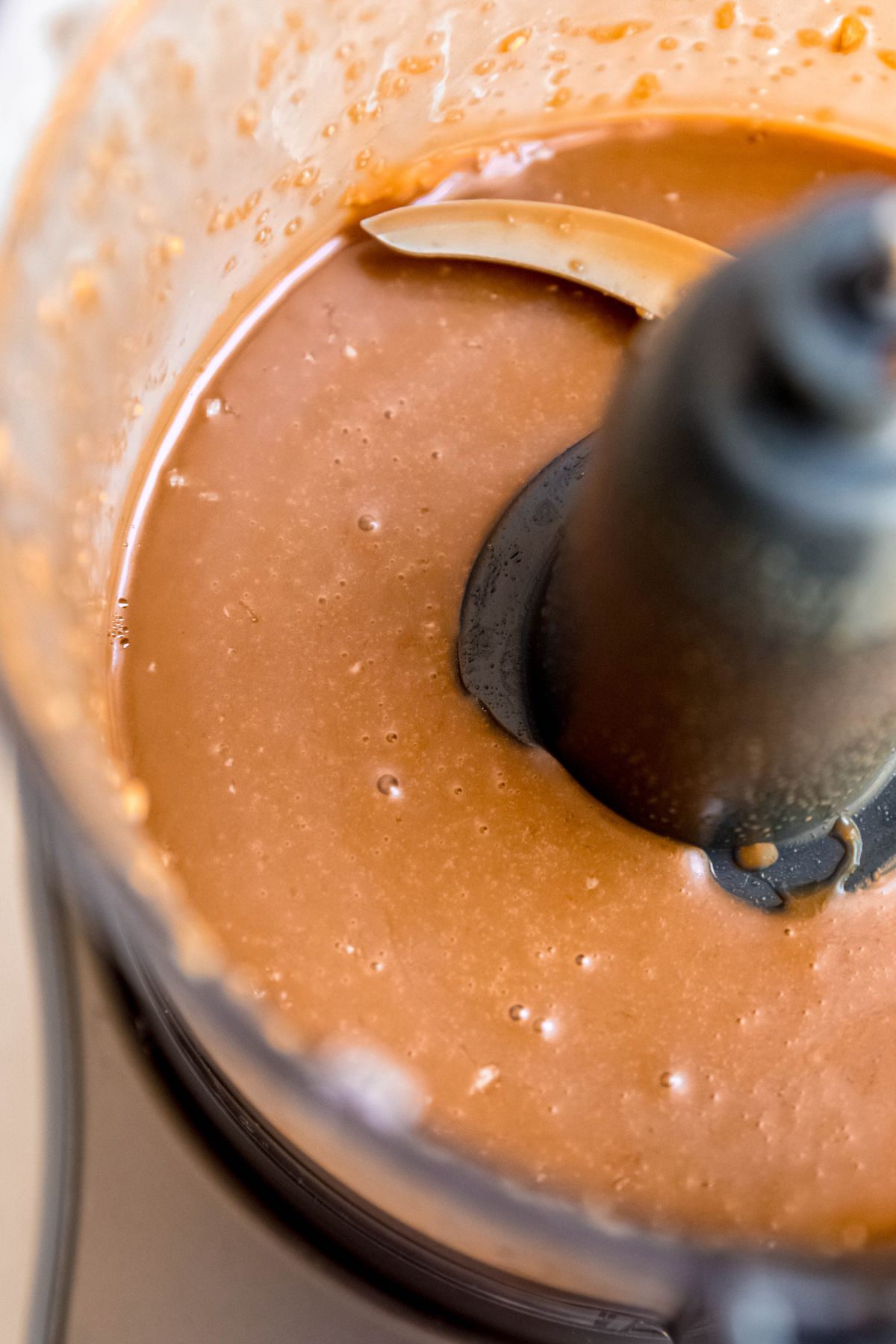
- Avocado oil (or extra virgin olive oil) — The base of the dressing. Avocado oil has a neutral flavor that lets the balsamic shine; olive oil adds a fruitier, more traditional taste. Either works beautifully — use whatever you have on hand.
- Balsamic vinegar — The star of this show. Splurge a little here if you can. A good quality aged balsamic will be thicker, sweeter, and more complex than the cheap stuff.
- Honey — Just a tablespoon to balance the acidity of the vinegar. Swap maple syrup to keep it vegan.
- Dijon mustard — Don’t skip this! It emulsifies the dressing so it stays thick and creamy instead of separating into oily pools, and adds a subtle depth of flavor you’d definitely miss without it.
Substitutions
- Balsamic vinaigrette without mustard — Not a Dijon fan? Add a tablespoon of mayo instead — it works as an emulsifier just like mustard and keeps the dressing thick and creamy.
- Vegan — Swap the honey for maple syrup or agave. Easy swap, zero flavor sacrifice.
- White balsamic version — Use white balsamic vinegar for a milder, lighter-colored dressing that’s beautiful on pasta salads or fruit.
- Creamy balsamic — Add a tablespoon of tahini or mayonnaise to the blender for a thicker, creamier dressing that’s amazing on grain bowls.
- Garlic powder instead of fresh — Use ¼ tsp garlic powder for a mellower, less punchy garlic flavor.
Instructions
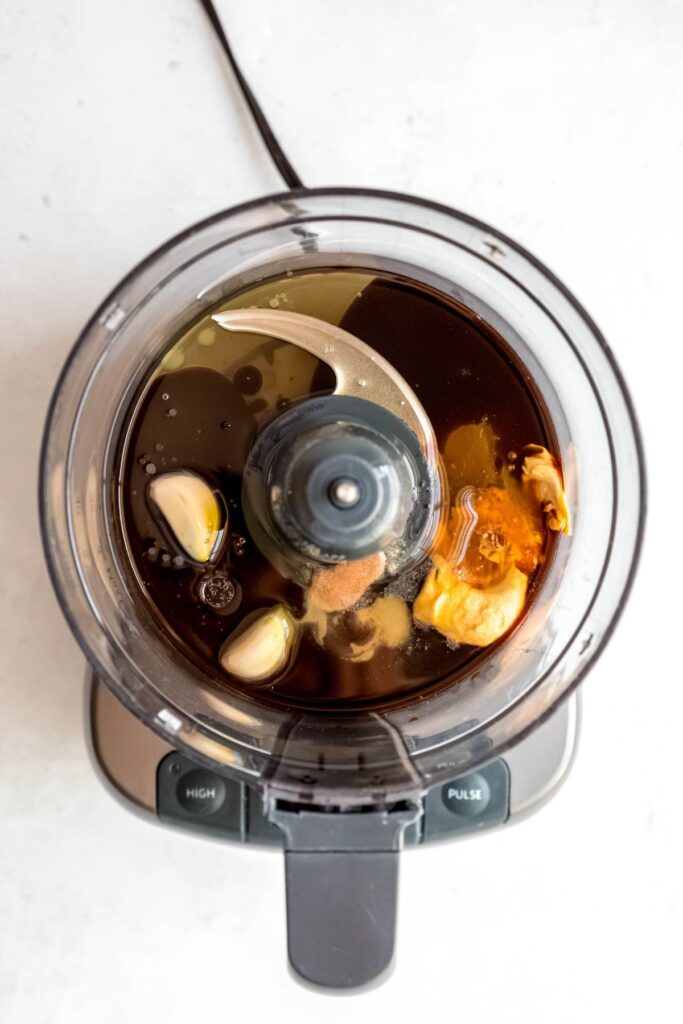
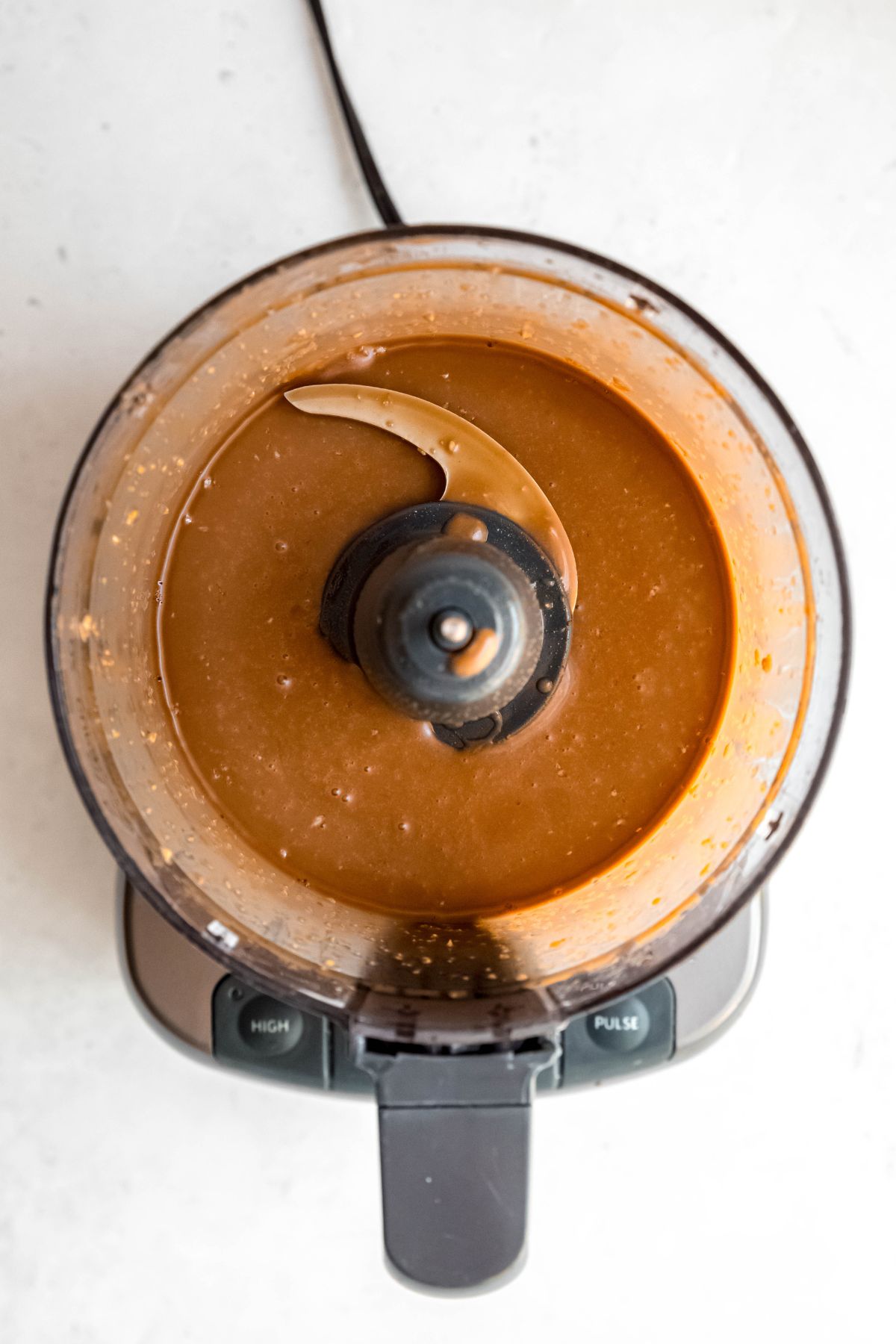
Step 1: Add everything to the blender. Toss all your ingredients — avocado oil, balsamic vinegar, honey, Dijon, lemon juice, garlic, and salt — into a high-speed blender or food processor.
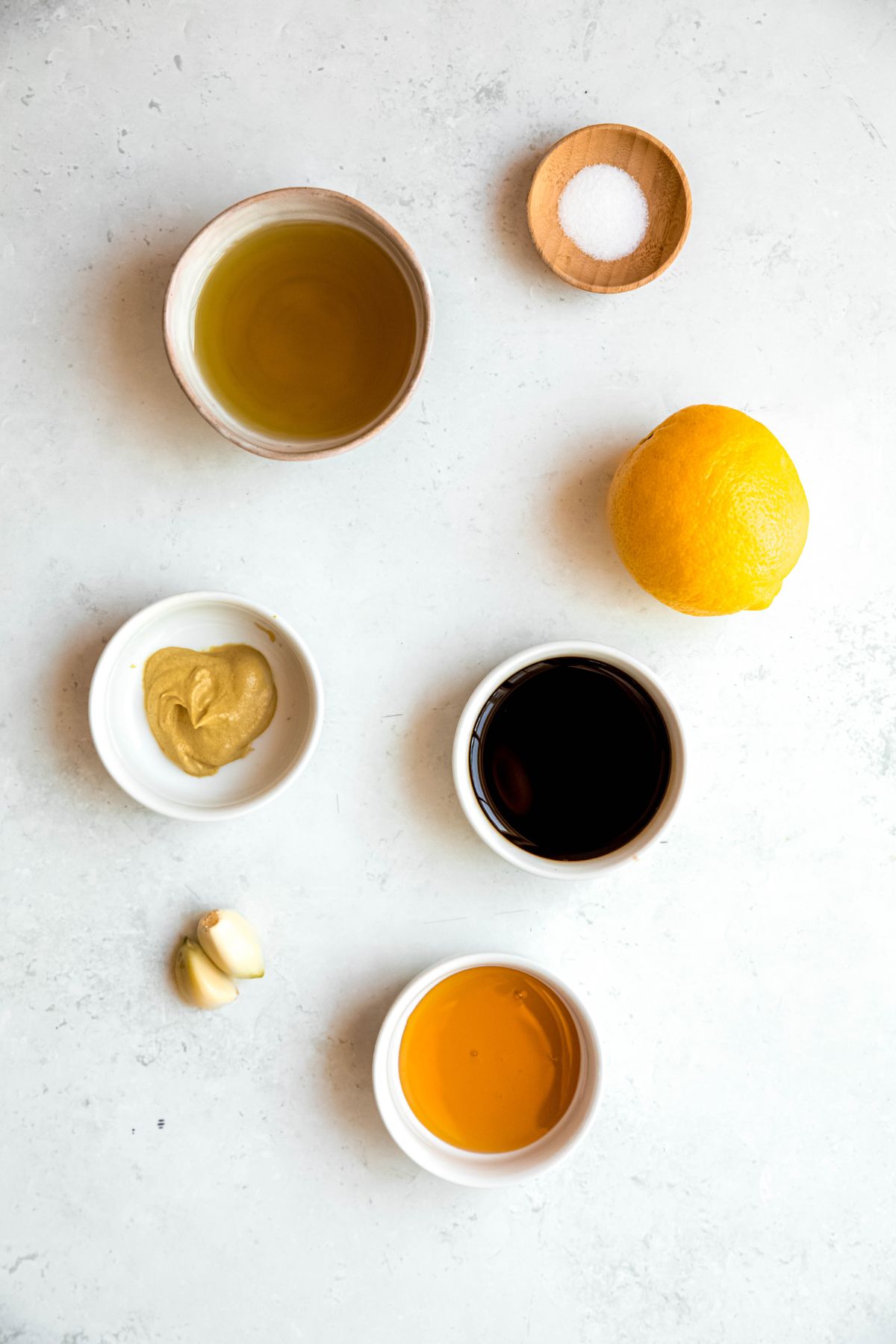
Step 2: Blend until smooth. Blend for about 20–30 seconds until the dressing is completely smooth, creamy, and emulsified.
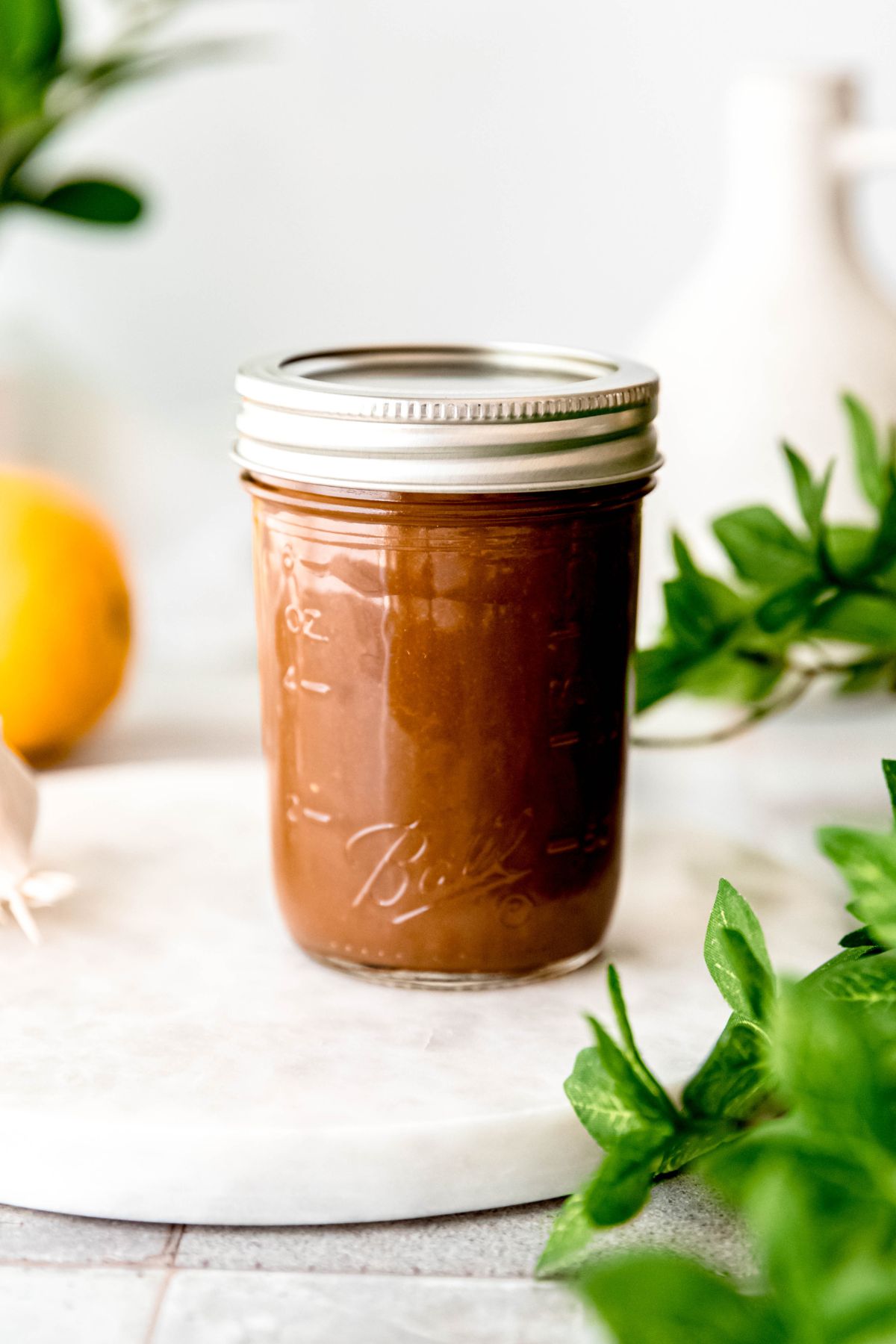
Step 3: Transfer and store. Pour into a mason jar, seal, and refrigerate until ready to use.
No blender? No problem! Mince your garlic cloves, then add all the ingredients to a mason jar and shake vigorously for about 30 seconds, or whisk everything together in a small bowl. The blender gives you the creamiest, most emulsified result, but all three methods work great. Just give it a good shake before every use.
Recipe Tips
- Use the best balsamic vinegar you can. It’s the star ingredient — a good quality balsamic makes a noticeable difference in flavor.
- Let it rest for 10 minutes before serving if you can. The flavors meld and deepen as the dressing sits.
- Shake or stir before every use. Even the blended version will separate slightly after sitting in the fridge — that’s totally normal.
What to Use It On
Not sure where to start? Here are some of my favorite ways to use this balsamic vinaigrette:
- Arugula salad — The peppery bite of arugula and the tangy sweetness of balsamic vinaigrette were made for each other.
- Caprese salad — Drizzle over fresh tomatoes and mozzarella instead of a plain balsamic glaze.
- Grain bowls — Spoon generously over farro, quinoa, or rice bowls.
- Roasted vegetables — Toss brussels sprouts, beets, or root vegetables in it before roasting, or drizzle on after.
- Grilled chicken margherita — Use as a marinade before grilling.
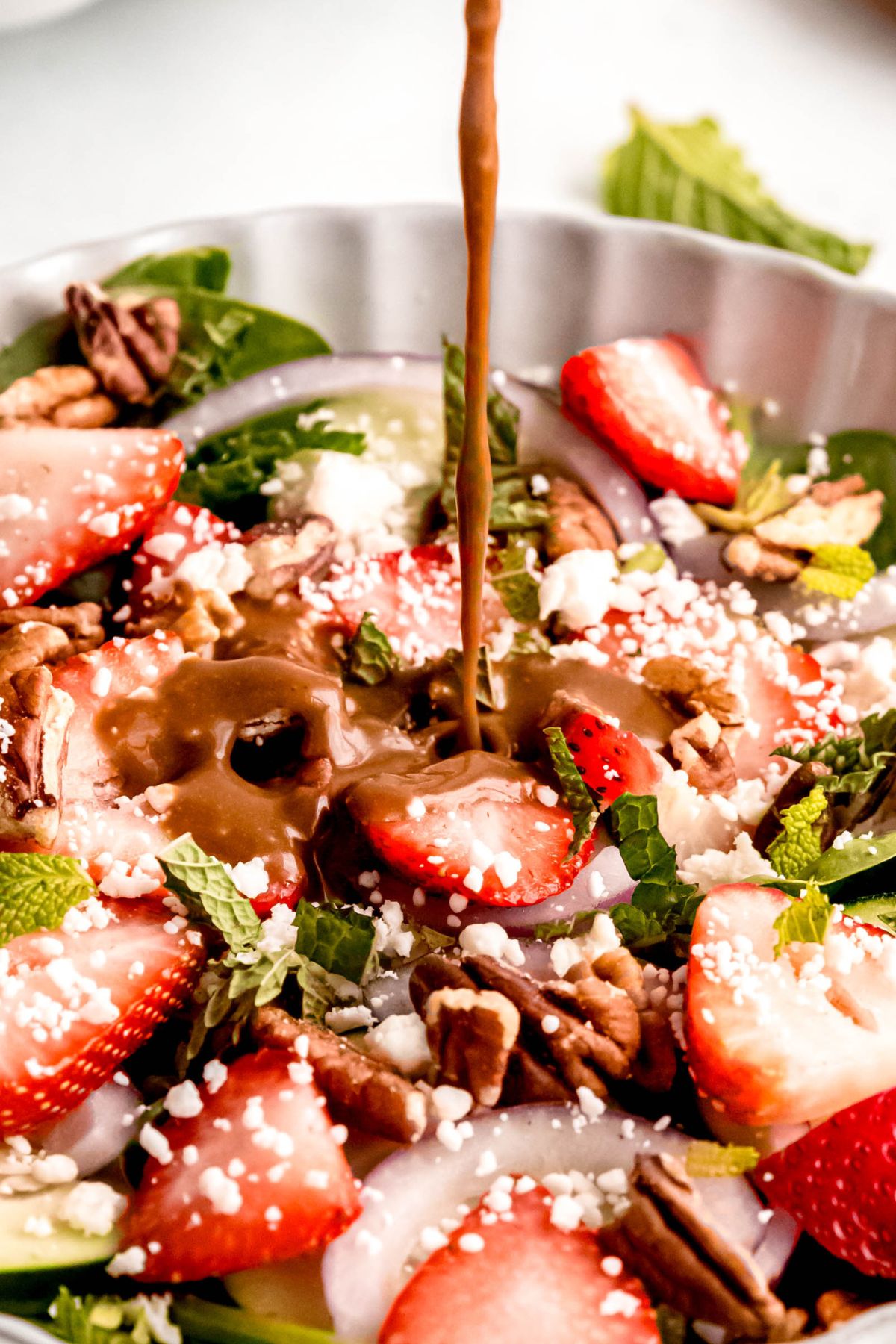
- Strawberry spinach salad — One of the best flavor combinations in existence. Try it.
Storage Directions
- Refrigerator: Store in a sealed mason jar or airtight container for up to 1 week.
- Freezer: Not recommended. The oil separates when frozen and the texture doesn’t recover well after thawing.
- Before serving: Always give it a good shake or stir — separation is completely normal.
Is Balsamic Vinaigrette Healthy?
Yes — homemade balsamic vinaigrette is a healthy salad dressing, especially compared to most store-bought options.
The fat in this dressing comes almost entirely from avocado or olive oil — both excellent sources of heart-healthy monounsaturated fats that help your body absorb fat-soluble vitamins from the vegetables in your salad. The 6g of carbohydrates come from the balsamic vinegar and honey, which also bring polyphenols and antioxidants.
Compare that to a typical store-bought balsamic dressing, which can clock in at 400–500mg of sodium per serving alongside artificial flavors and thickeners. Homemade gives you full control over every ingredient.
This recipe is also naturally gluten-free, dairy-free, and can be made vegan with a honey-to-maple-syrup swap. It fits seamlessly into Mediterranean, paleo, and whole-food diets!
Total nutritional content per 2 tbsp serving is:
- Calories: 157 calories
- Carbohydrates: 6 grams
- Protein: 0 grams
- Total Fat: 15 grams
- Sodium: 311 mg
- Fiber: 0 grams
*This nutritional information is an estimate and calculated based on the ingredients used to create the recipe. The nutritional value of your ingredients may differ slightly. Furthermore, this food is not intended to prevent, diagnose, cure, or treat any disease.
Pricing Info
One of the best things about making your own balsamic vinaigrette is how incredibly budget-friendly it is. Here’s how much I personally paid and how the costs break down:
- ⅓ cup avocado oil: $1.15
- ¼ cup balsamic vinegar: $0.64
- 1 tbsp honey: $0.25
- 1 tbsp Dijon mustard: $0.02
- 1 tsp fresh lemon juice: $0.02
- 2 cloves garlic: $0.10
- ½ tsp salt: $0.01
The total comes out to be around $2.19 or roughly $0.44 per serving!
Compare that to a bottle of store-bought balsamic dressing at $4–5 for about 10 servings — and that bottle is packed with preservatives, added sugar, and caramel color. Homemade wins on price and quality. The avocado oil and balsamic vinegar are pantry investments that make each subsequent batch even cheaper.
FAQs
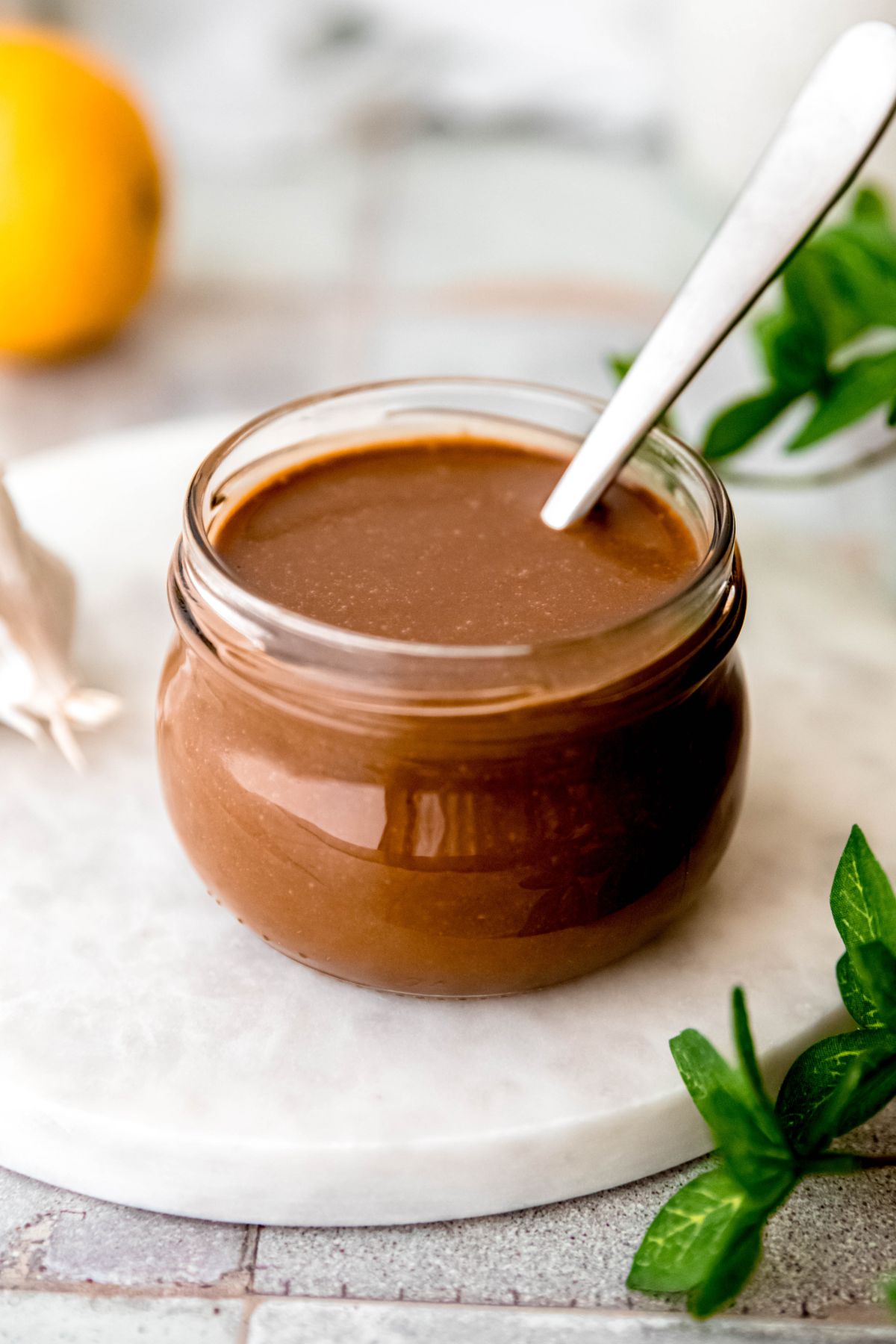
Balsamic vinegar is the ingredient; balsamic vinaigrette is the finished dressing. You make vinaigrette by combining balsamic vinegar with oil, mustard, garlic, and a sweetener to create something emulsified, pourable, and ready to go straight on your salad.
Stored in a sealed mason jar in the refrigerator, this homemade salad dressing will last up to 1 week. Give it a good shake before each use — separation in the jar is completely normal.
Separation is completely normal for any oil-based dressing — oil and vinegar don’t naturally want to stay together. The blender method creates a more stable emulsion, but even blended dressings will separate eventually. Just shake the jar well before using.
Absolutely! It makes an excellent marinade for chicken, salmon, pork, or vegetables. The acidity from the balsamic vinegar and lemon juice helps tenderize the protein while the garlic and Dijon add incredible flavor.
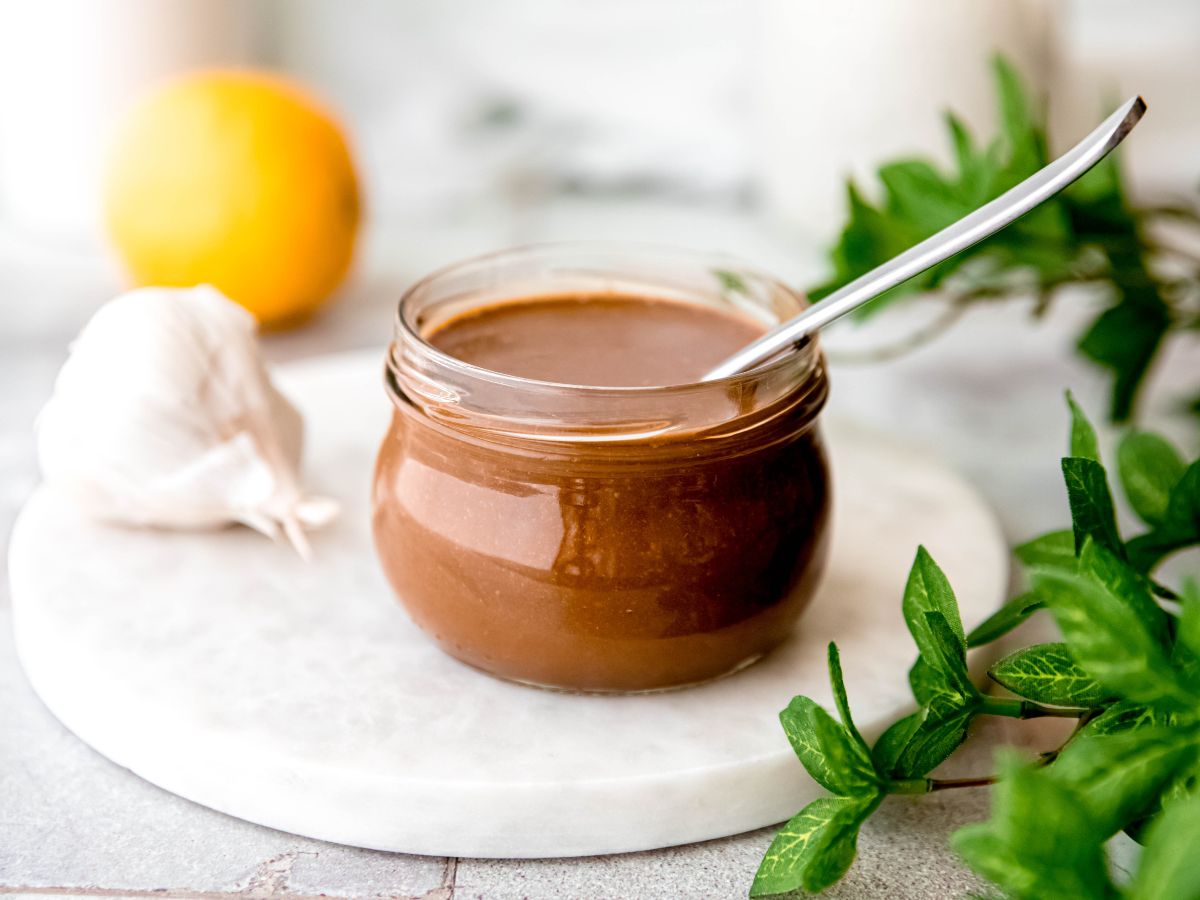
Other Salad Dressing Recipes
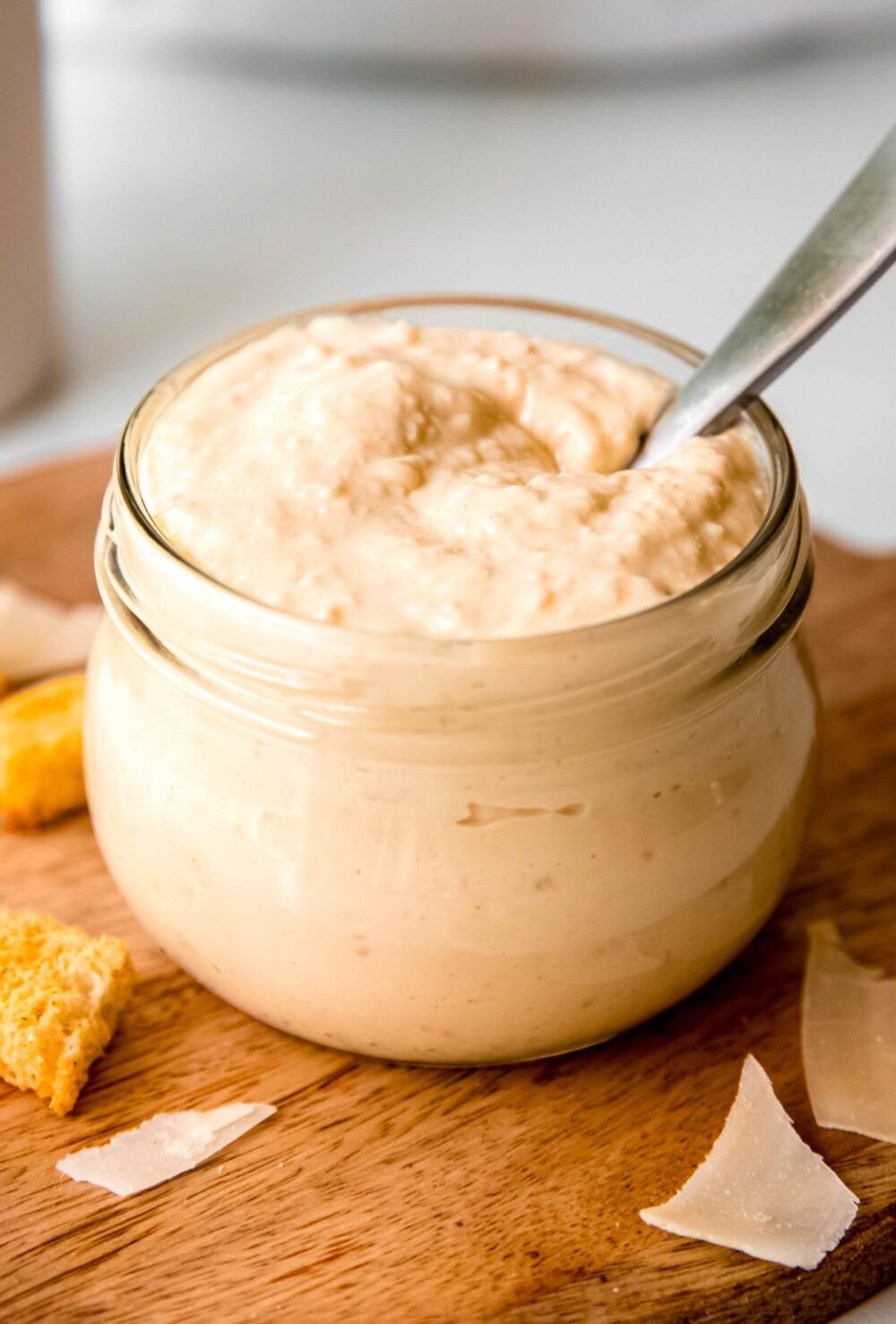
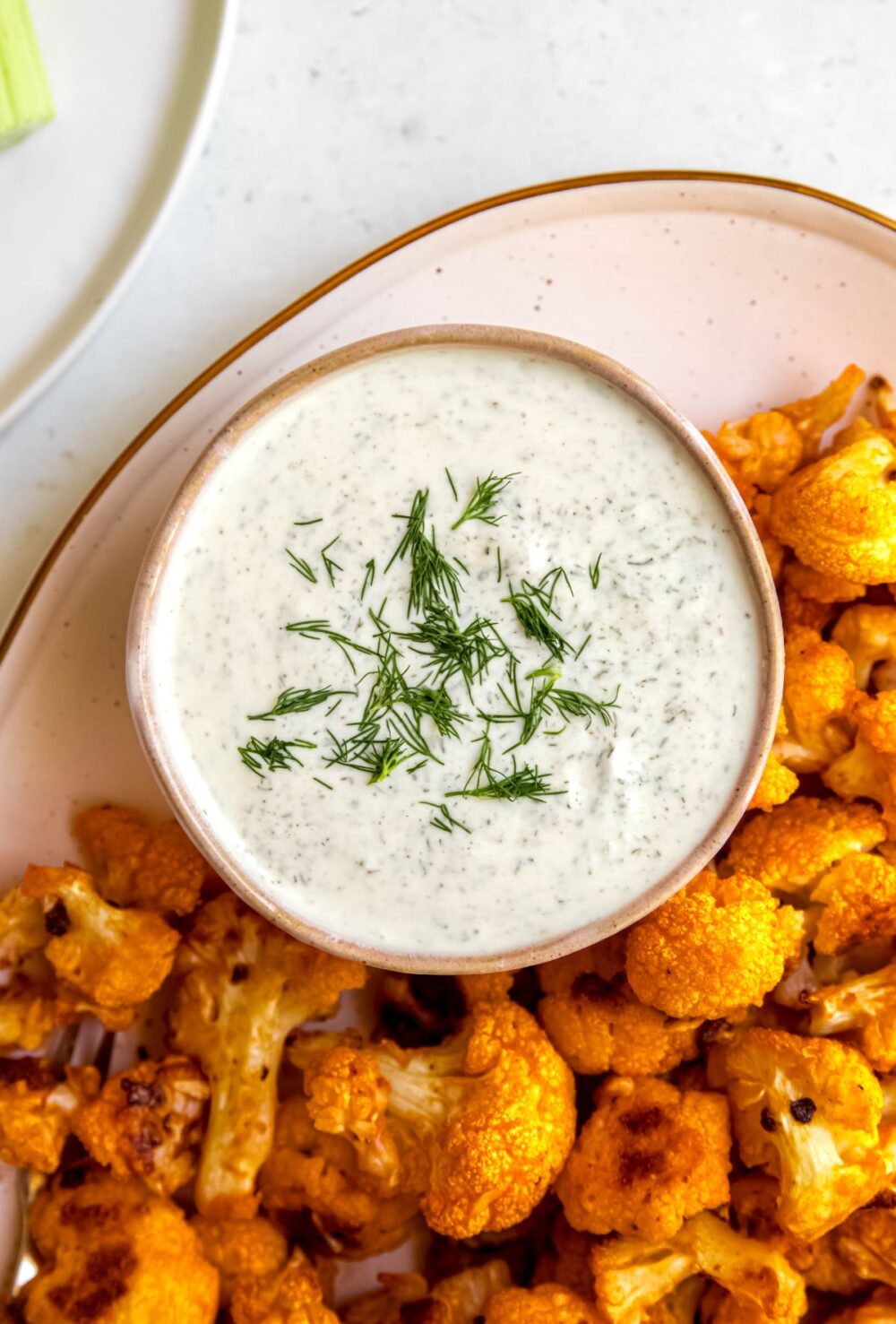
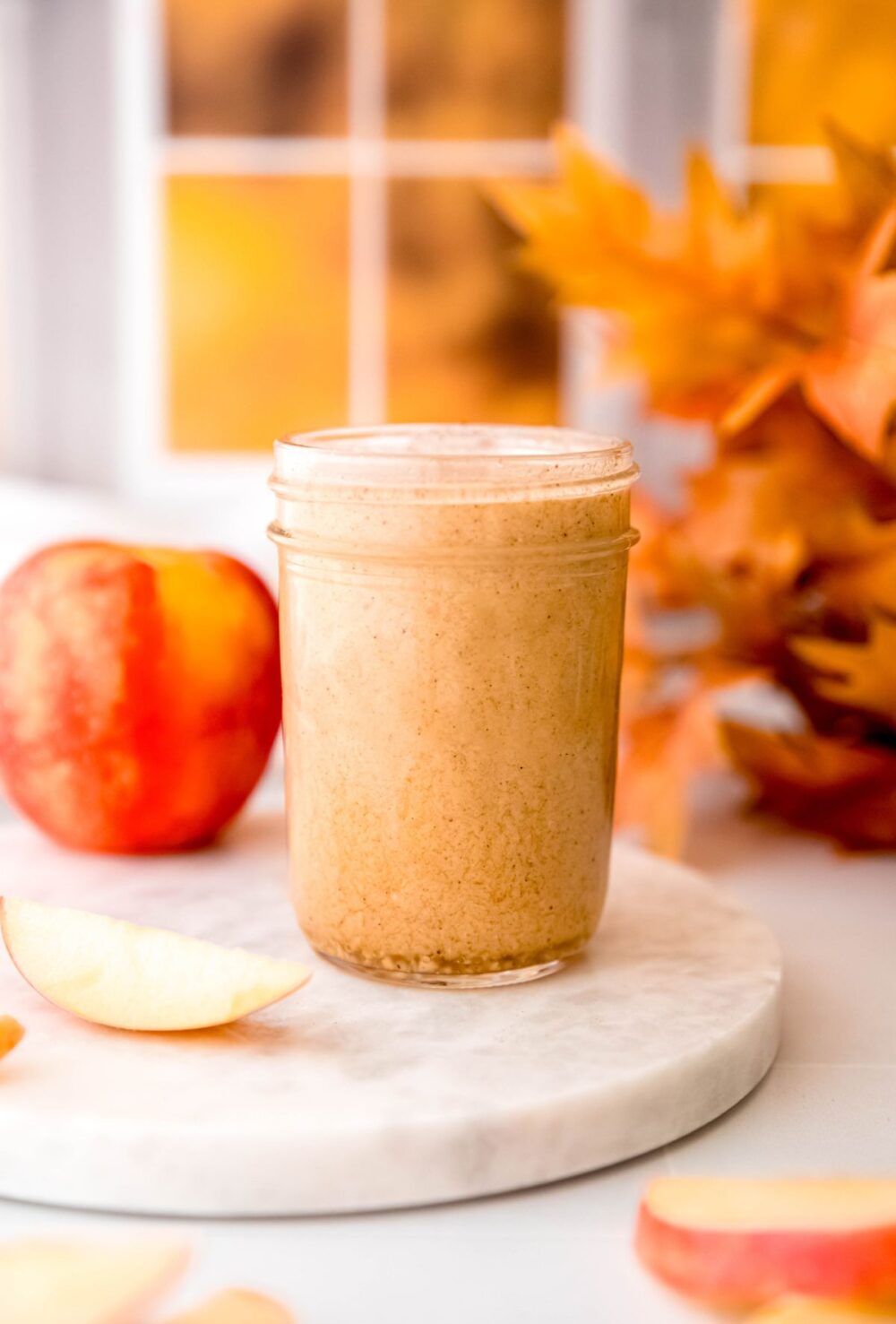
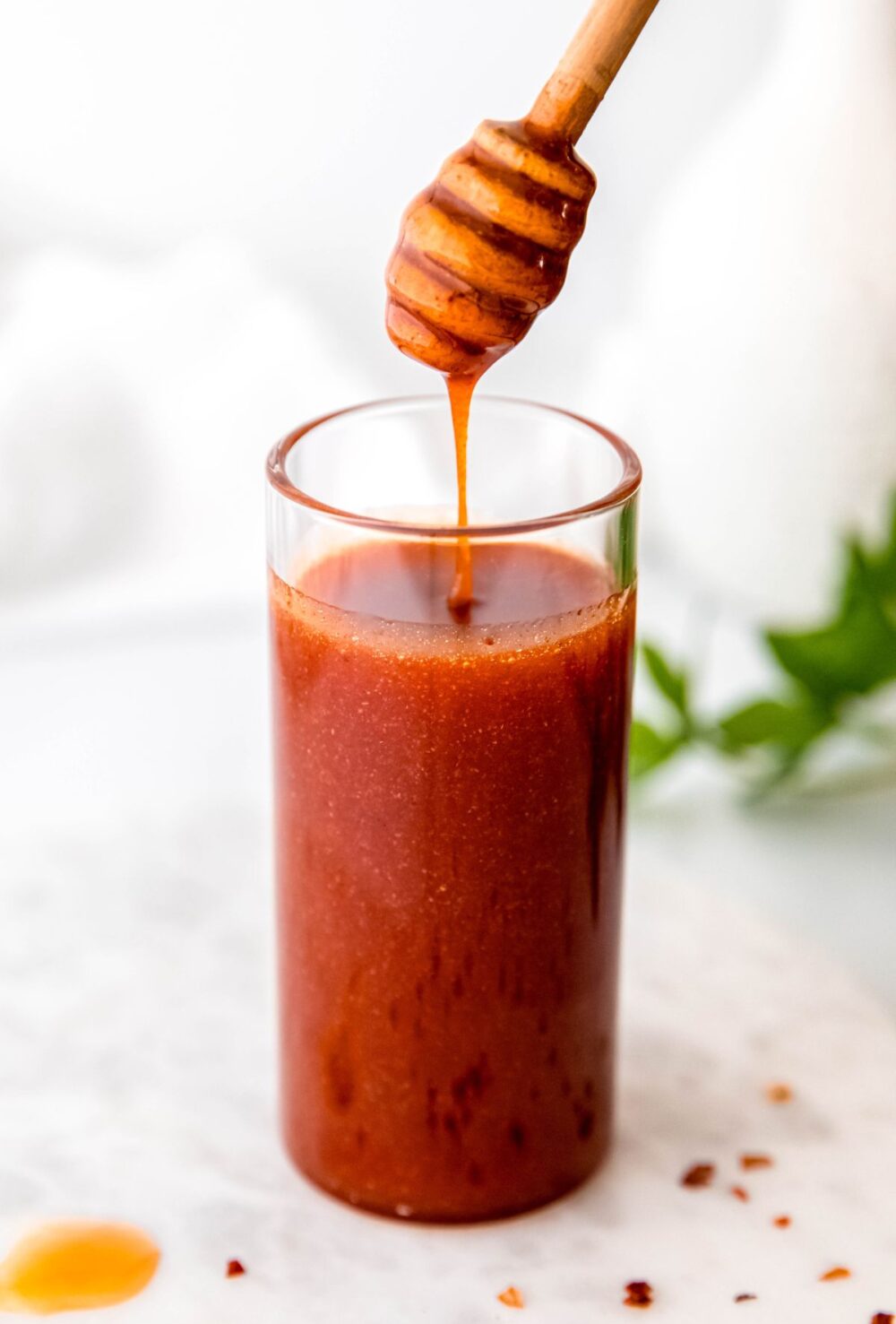
Tried this recipe? Please leave a ⭐⭐⭐⭐⭐ rating in the comments below! I would really appreciate your feedback!
Recipe
Balsamic Vinaigrette
Equipment
- 1 high speed blender or food processor
Ingredients
- ⅓ cup avocado oil or olive oil
- ¼ cup balsamic vinegar
- 1 tbsp honey
- 1 tbsp Dijon mustard
- 1 tsp fresh lemon juice
- 2 cloves garlic
- ½ tsp salt
Instructions
- Add all ingredients to a high-speed blender or food processor and blend until smooth.
- Transfer to a mason jar and store in the fridge up to 1 week.
Video
Notes
Nutrition
If you end up making this and loving it, take a photo and tag me on Instagram! I’d love to see your versions of my recipes! And feel free to rate it down below in the comment section. I would really appreciate it!
xoxo Megan
Leave a Reply