

Next time you’re craving naan or pita but don’t want to make a run to the store, give my 2-ingredient Cottage Cheese Flatbread recipe a try. Not only is it delightfully fluffy and perfect for turning into wraps, dippers, or shortcut pizzas, but thanks to the cottage cheese, you also get a whopping 11 grams of protein per piece!

Save This Recipe to Your Email!
In the last year or so, I’ve really gotten into making homemade bread. But, as much as I love making a loaf of sourdough or a batch of garlic rosemary sourdough discard rolls, sometimes I just don’t have the time or patience to wait for yeasted doughs to do their thing, and now that it’s getting hot out, I don’t want to turn on the oven. Enter my easy cottage cheese flatbread recipe!
These fluffy little rounds couldn’t be simpler to make if they tried. Simply blitz the cottage cheese until smooth, add enough self-rising flour to make it knead-able, roll the dough into 8 even pieces, then slap them on the frying pan and cook them like pancakes. All in, you’re looking at just 30 minutes of effort for a store-sized batch of terrifically soft, warm flatbreads.
Once they’re made, the options are as endless as your imagination. Top them with my low-sodium pizza marinara, a sprinkle of cheese and your favorite pizza fixin’s, then briefly toast in a toaster oven for a 5-minute pizza. Or, use them to make chicken shawarma wraps. If you’re feeling snacky, dip them in pumpkin feta dip or jalapeño popper dip. Read on for even more ideas!
Jump to:
- What do they taste like?
- Why You’ll Love This 2-Ingredient Flatbread Recipe
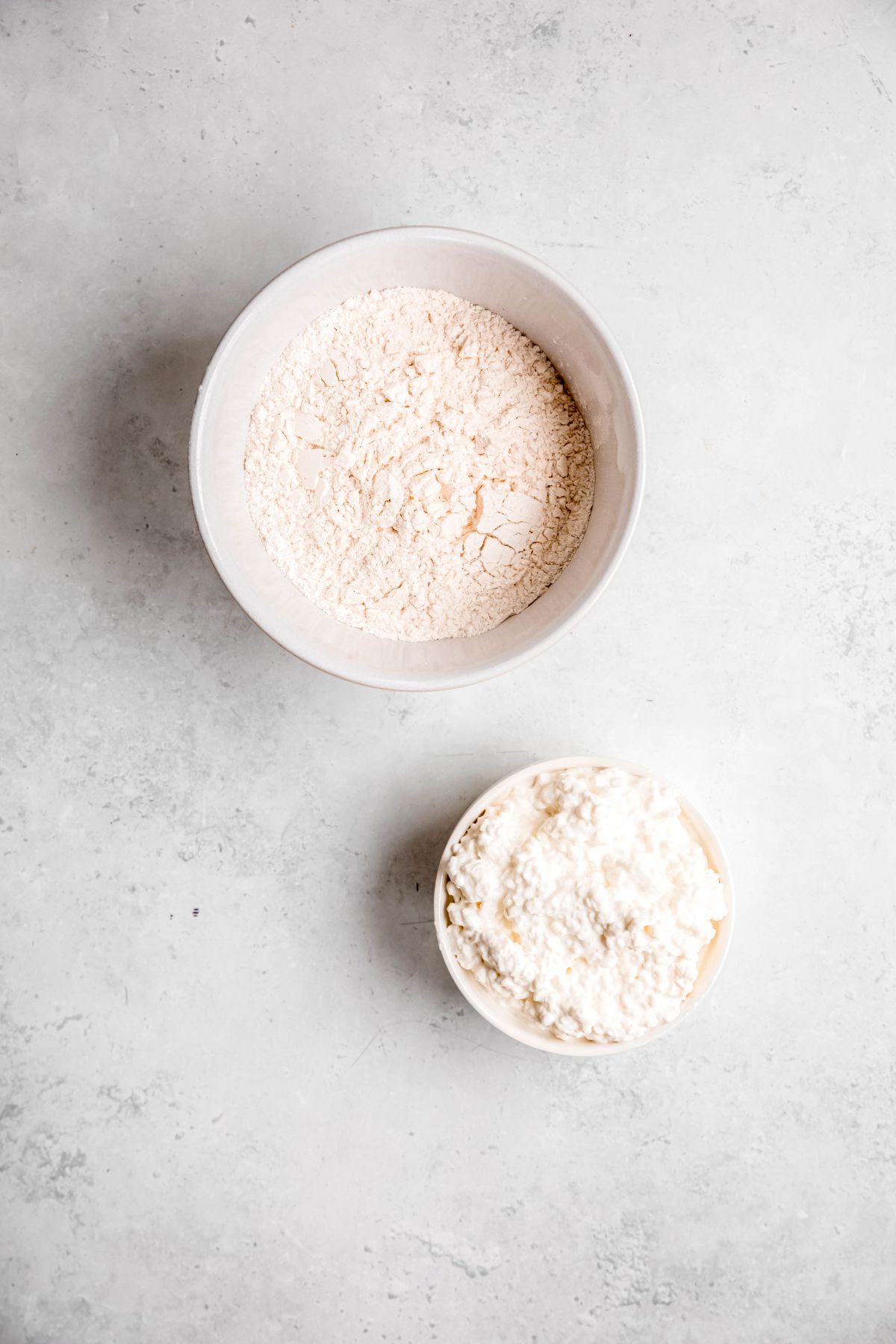
- Ingredients Needed
- Substitutions
- How To Make Cottage Cheese Flatbread
- Optional Variations & Dietary Adjustments
- Serving Suggestions
- Recipe Success Tips
- Storage Directions
- Cottage Cheese Flatbread Nutrition
- Pricing Info
- FAQs
- Other Cottage Cheese Recipes
- Recipe
What do they taste like?
These cottage cheese flatbreads are soft, tender, and surprisingly satisfying for something made with just a couple of ingredients. The cottage cheese melts right into the dough as it cooks, creating a lightly creamy interior with a subtle tang. On the outside, they develop a delicate golden crust that’s slightly crisp, giving way to a pillowy, almost chewy center.
Flavor-wise, they’re mild and versatile with a gentle savory note, somewhere between a soft naan and a rustic skillet bread. The self-rising flour keeps them light and fluffy, while the cottage cheese adds richness and a boost of protein without making them feel heavy. They’re delicious on their own, but also act as the perfect blank canvas for both sweet and savory toppings.
Why You’ll Love This 2-Ingredient Flatbread Recipe
- Budget-Friendly – At just 28 cents per piece, cottage cheese flatbread is built for tight budgets. Compared to $4+ for 8 naan at the store, these easy DIYs are as financially savvy as they are delicious!
- Quick & Easy – If you think homemade bread is a real time investment, think again. With this easy 2-ingredient recipe, you’ll have a whole basket full of fluffy flatbreads ready in just 45 minutes. They’re easy enough for a weeknight!
- Perfect for Meal Prep – Cottage cheese flatbread is packed with protein, stores well in the fridge or freezer, and reheats like a dream. If you’re looking to set yourself up for a week’s worth of snacking success, make a batch on the weekend!

Ingredients Needed
- Cottage Cheese – The protein-packed heart of our recipe! Feel free to use either small or large curd cottage cheese—we’ll be blending it until smooth, so it doesn’t matter one way or the other. I personally like the texture and flavor using full-fat cottage cheese offers, but feel free to use either low-fat or non-fat if that’s what you have on hand.
- Self-Rising Flour – This pantry staple already includes both leavener and salt, so all you need to make flatbread is a binder like cottage cheese.
Substitutions
- Cottage Cheese – Thick, full-fat Greek yogurt is the closest substitute. It provides a similar tang and high-protein content, and yields soft, tender flatbreads. Whole milk ricotta creates a slightly richer, more delicate flatbread. It’s less tangy than cottage cheese, so the flavor will be milder and a bit more neutral, and the protein will be a bit less.
- Self-Rising Flour – Don’t have any on hand? Not to worry. This ingredient is easy to make at home using just three pantry staples: all purpose flour, baking powder, and salt.
How To Make Cottage Cheese Flatbread
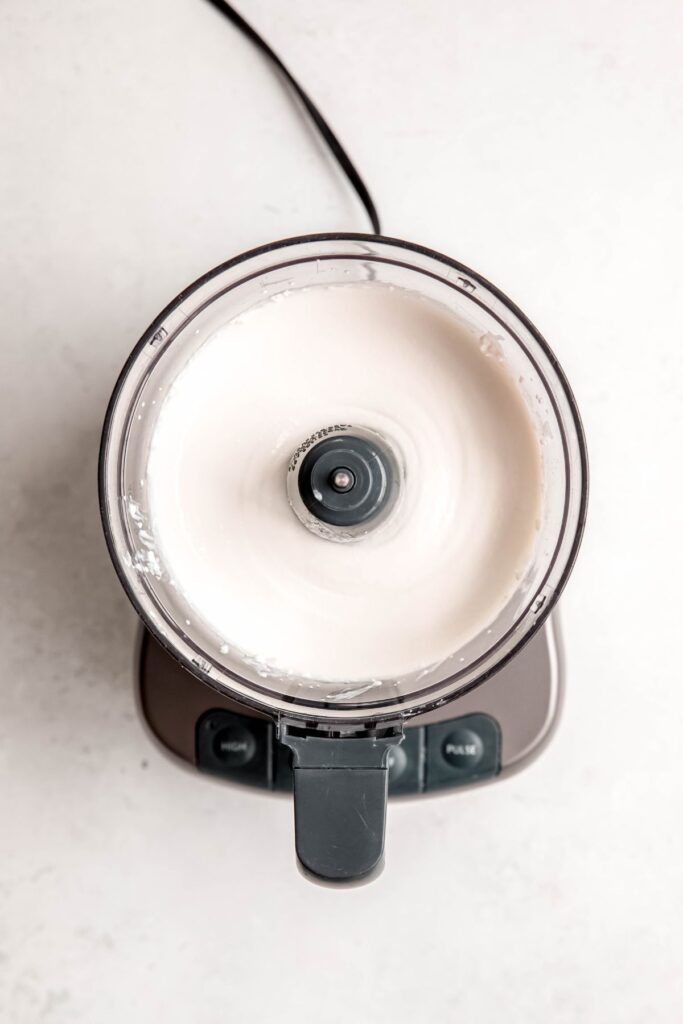
Step 1: Blend the Cottage Cheese. Add the cottage cheese to a food processor or high-speed blender and blend until completely smooth. Transfer the mixture to a medium mixing bowl.
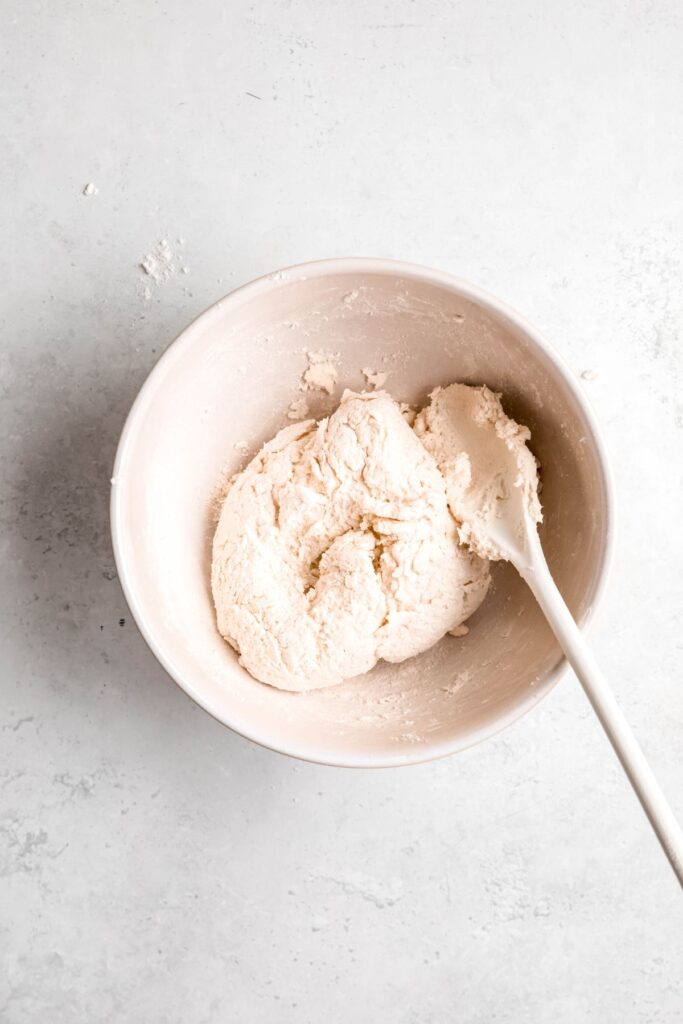
Step 2: Form the Dough. Add 2 ¼ cups of self-rising flour to the bowl and stir until a dough begins to come together. If the dough feels too sticky to handle, add more flour 2 tablespoons at a time, mixing between each addition, until it’s firm enough to knead.
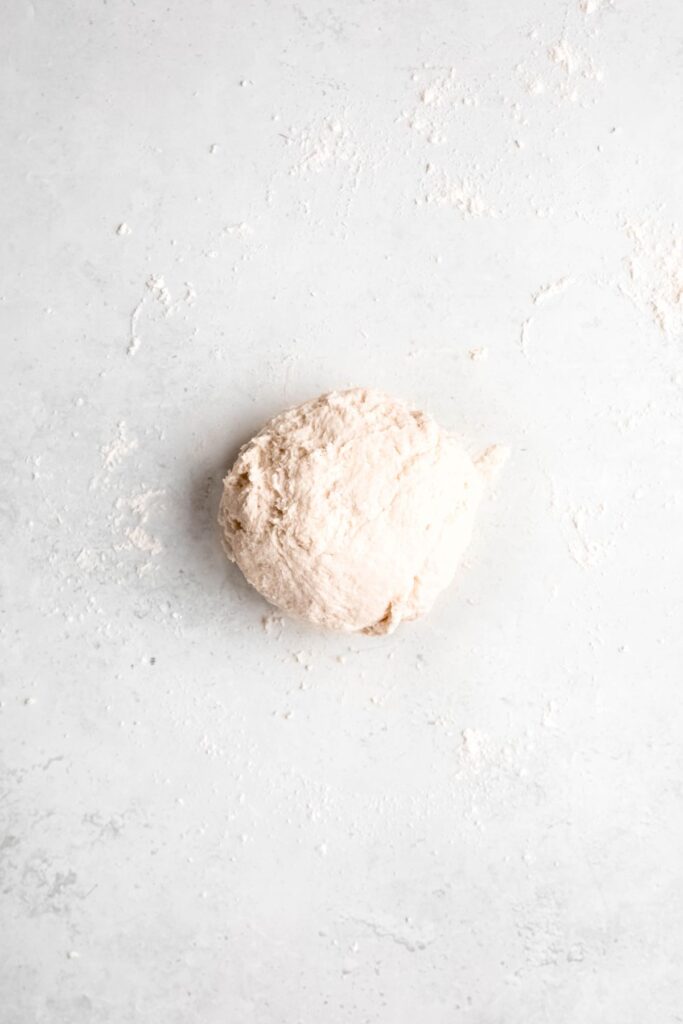
Step 3: Knead Until Smooth. Turn the dough out onto a lightly floured surface and knead until it becomes smooth, soft, and easy to work with.
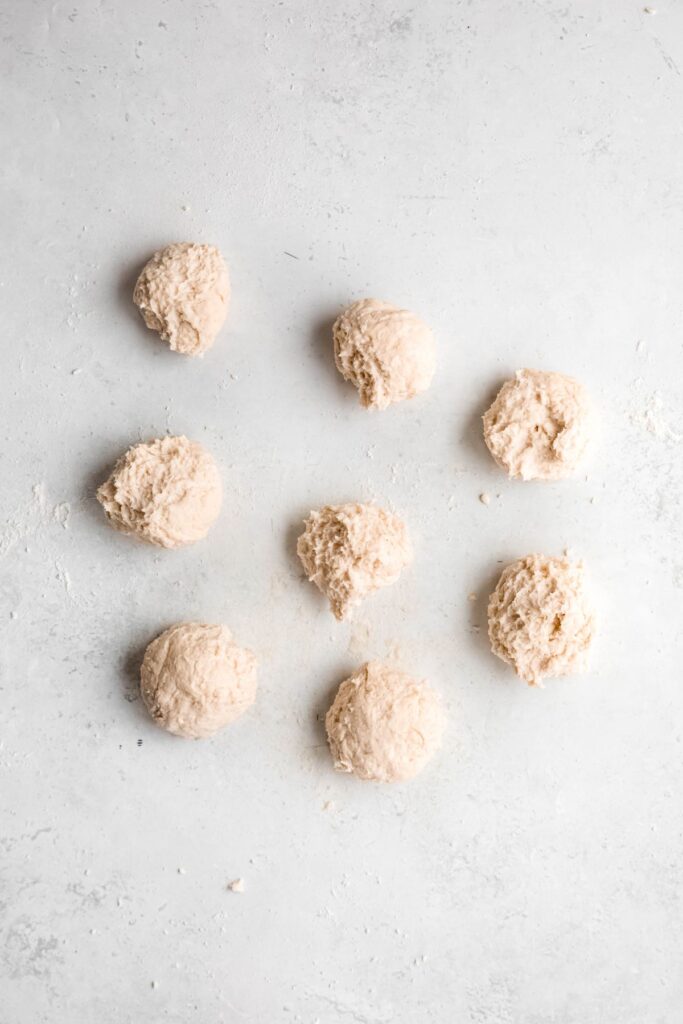
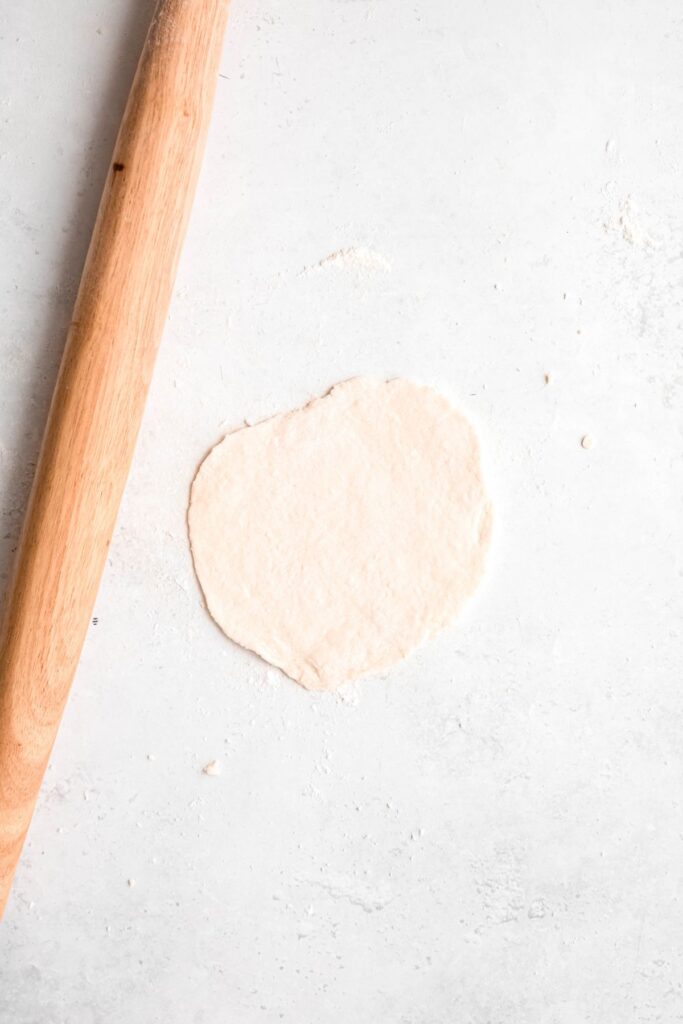
Step 4: Divide & Shape. Divide the dough into 8 equal portions and roll each into a ball. Flatten each ball into a disc about ⅛-inch thick, then set aside.
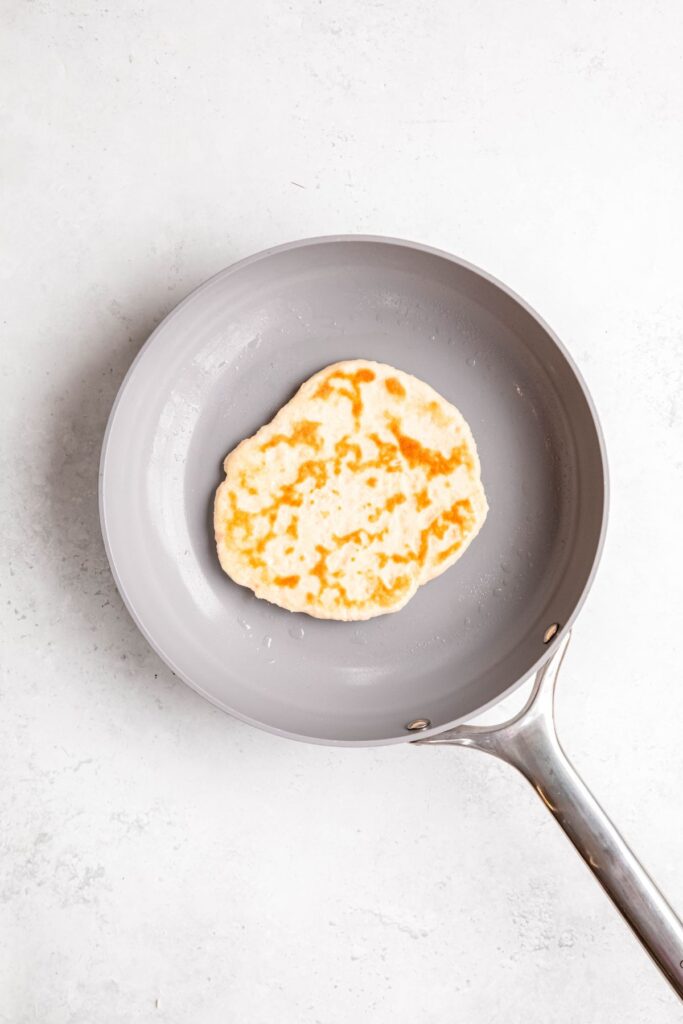
Step 5: Cook the Flatbreads. Heat a medium skillet over medium heat and lightly grease if you’d like a more golden finish. Once hot, add one flatbread and cook for 2–3 minutes. Flip and cook for another 1–2 minutes, until golden and cooked through. Transfer to a plate and repeat with the remaining dough.
Step 6: Serve or Store. Enjoy warm, or let cool and store in an airtight container in the fridge for up to 3 days.
Optional Variations & Dietary Adjustments
One of the best things about these viral cottage cheese flatbreads is how easy they are to customize. With just a few tweaks, you can shift the flavor, boost the nutrition, or adapt them to fit different dietary needs. Here are a few ideas to get you started:
- Herbed Flatbread – For a more savory, herb-forward flatbread, try mixing in dried or fresh herbs like garlic powder, Italian seasoning, chives, or parsley directly into the dough. A pinch of salt or everything bagel seasoning can also elevate the flavor, especially if you plan to enjoy them on their own.
- Sweet Flatbread – If you’d like to lean slightly sweet, you can add a drizzle of honey or maple syrup to the dough and skip any savory mix-ins. This version pairs beautifully with nut butter, fresh fruit, or a smear of cream cheese and jam for a quick breakfast or snack.
- Extra Protein – To boost the protein even further, add a scoop of unflavored protein powder. Just note you may need a splash of milk to keep the dough soft and workable.
- Extra Fiber – Make your self-rising flour with part whole wheat flour (about 50% works well) or use a white whole wheat flour for a milder flavor. You can also add a tablespoon or two of ground flaxseed for an extra fiber boost.
- Gluten-Free – Use a 1:1 gluten-free flour blend that includes a leavening agent—or add baking powder and a pinch of salt if your blend doesn’t already contain it. Give the dough 30 minutes to rehydrate before cooking to prevent a grainy texture. Keep in mind the texture may be slightly more delicate.
- Dairy-Free – Use your favorite plant-based cottage cheese instead.
- Stuffed Flatbreads – Add fillings like shredded cheese, sautéed spinach, or cooked ground meat before rolling them out—perfect for making them feel more like a complete meal.
Serving Suggestions
These cottage cheese flatbreads are incredibly versatile and can be served in so many different ways. For a simple, everyday option, enjoy them warm straight from the skillet with a swipe of butter, a drizzle of olive oil, or a sprinkle of flaky salt. They also make a great protein-packed side for soups, stews, or salads.
For a more substantial meal, use these flatbreads as a base for wraps or turkey pesto sandwiches. Fill them with lemon pepper chicken, roasted veggies, and/or deli meats for an easy lunch.
Or, turn them into breakfast wraps with scrambled eggs, avocado, and a little hot sauce. They also work as a quick pizza crust—just add sauce, cheese, and your favorite toppings, then warm until melty.
On the sweeter side, these flatbreads can easily double as a breakfast or snack option. Top them with Greek yogurt, fresh berries, and a drizzle of honey, or spread with nut butter and sliced banana for something a bit more filling. You can even dust them lightly with cinnamon sugar for a simple treat.

Recipe Success Tips
- Blend completely. Getting the texture right starts with your cottage cheese. Blending it until completely smooth is key—any remaining curds can make the dough slightly lumpy and harder to roll out evenly. A thick, creamy consistency will give you the softest, most cohesive dough.
- Use your instinct. When it comes to the flour, add it gradually and pay attention to how the dough feels. You’re aiming for a dough that’s soft and slightly tacky but not overly sticky. Too much flour can make the flatbreads dense, while too little will make them hard to handle. Don’t be afraid to adjust slightly based on the moisture level of your cottage cheese.
- Easy does it. Kneading doesn’t need to be intense or long here—just enough to bring the dough together into a smooth, workable ball. Overworking it can make the flatbreads a bit tough, so once it’s smooth and elastic, you’re good to go.
- Roll evenly. For shaping, try to roll each piece to an even thickness (about ⅛ inch) so they cook evenly. If they’re too thick, the centers may stay doughy; too thin, and they can dry out. If the dough springs back while rolling, let it rest for a few minutes to relax the gluten.
- Preheat first. When cooking, make sure your skillet is fully preheated before adding the flatbread. This helps create those golden spots and prevents sticking. Keep an eye on the heat—medium works best—since too high can burn the outside before the inside cooks through.
- Keep them moist. Stack the cooked flatbreads and cover them lightly with a clean towel as they cool. This helps trap a bit of steam and keeps them soft and pliable instead of drying out.
Storage Directions
- Refrigeration: Store any leftover flatbreads in an airtight container in the refrigerator for up to 3 days. Let them cool completely before storing to prevent excess moisture from building up, which can make them soggy.
- Freezing: To freeze, place cooled flatbreads in a single layer or separate them with parchment paper to prevent sticking, then store in a freezer-safe bag for up to 2–3 months. Thaw in the fridge or at room temperature before reheating.
- Reheating: For reheating, warm the flatbreads in a dry skillet over medium heat for 1–2 minutes per side until heated through and lightly re-crisped. You can also microwave them for about 20–30 seconds for a softer texture, or wrap in foil and warm in a 300°F oven until heated through.

Cottage Cheese Flatbread Nutrition
These cottage cheese flatbreads strike a nice balance between comfort and nutrition, offering a satisfying, protein-forward option without feeling overly heavy. Each serving comes in at just 203 calories, making them a great choice for a light meal, snack, or as a base for more substantial toppings. With 11 grams of protein per serving, they’re more filling than your typical flatbread.
Carbohydrates sit at 33 grams per serving, providing a solid source of energy, while the fat content remains relatively low at just 3 grams. Sodium is moderate at 597 mg, which is fairly typical for recipes using self-rising flour, so it’s something to keep in mind if you’re watching your intake.
Fiber is on the lower side at 1 gram per serving, but you can easily boost it by pairing these flatbreads with fiber-rich toppings like veggies, beans, or spreads like hummus. As always, nutrition can vary depending on portion size and how you serve them, so feel free to adjust based on your needs.
Total nutritional content per serving is:
- Calories: 203 calories
- Carbohydrates: 33 grams
- Protein: 11 grams
- Total Fat: 3 grams
- Sodium: 597 mg
- Fiber: 1 gram
*This nutritional information is an estimate and calculated based on the ingredients used to create the recipe. The nutritional value of your ingredients may differ slightly. Furthermore, this food is not intended to prevent, diagnose, cure, or treat any disease.

Pricing Info
This is what I personally paid to make this recipe:
- 2 cups cottage cheese: $1.86
- 2 ¼ cups self-rising flour: $0.39
The total comes out to be around $2.25 or roughly $0.28 per flatbread!
FAQs
Yes—cottage cheese flatbread can be a nutritious option, especially compared to traditional flatbreads. The cottage cheese adds a boost of protein and calcium, while keeping the ingredient list simple and relatively balanced. As with any recipe, the overall nutrition will depend on your portion size and any toppings you add, so be sure to check out the nutritional breakdown section for more details.
Cottage cheese flatbread can fall apart if the dough isn’t quite balanced or properly handled. The most common culprit is too much moisture—if your cottage cheese is very wet or you didn’t add enough flour, the dough won’t have enough structure to hold together. On the flip side, if the dough is too dry from adding too much flour, it can crack and break instead of staying pliable.
Another key factor is not blending the cottage cheese smooth. Large curds can create weak spots in the dough, making it harder to roll and more likely to tear or fall apart during cooking. Similarly, if the dough isn’t kneaded enough, the gluten doesn’t develop properly, which can lead to a crumbly texture.
Rolling and cooking also matter. If the flatbreads are rolled too thin, they can tear easily, while undercooking can leave the center too soft to hold together. Aim for an even thickness (about ⅛ inch) and make sure your skillet is fully preheated so the flatbread sets quickly and holds its shape.
If you’re having trouble, try adding a bit more flour to firm up the dough, making sure your cottage cheese is blended smooth, and handling the dough gently when shaping.
Heck yes! Cottage cheese acts as both the moisture and a protein-rich base, while self-rising flour provides structure and lift. When blended smooth and mixed together, they form a soft, workable dough that cooks up into tender, slightly chewy flatbreads with a lightly golden exterior.
Dr. Gundry doesn’t fully reject cottage cheese, but he’s cautious about it. He generally advises avoiding conventional versions and opting for high-quality, fermented, A2 or non-cow dairy options, especially if you’re concerned about gut health or inflammation.

Other Cottage Cheese Recipes


Tried this recipe? Please leave a ⭐⭐⭐⭐⭐ rating in the comments below! I would really appreciate your feedback!
Recipe

2-Ingredient Cottage Cheese Flatbread
Equipment
Ingredients
- 2 cups cottage cheese
- 2 ¼ – 2 ¾ cups self-rising flour depending on moisture level
Instructions
- Add the cottage cheese to a food processor or high-speed blender and blend until smooth. Transfer to a medium mixing bowl.
- Add 2 ¼ cups self-rising flour to the bowl and stir until a ball of dough forms. If the dough is too sticky to knead at this point, continue to add self-rising flour 2 tbsp at a time and continue to stir until the dough feels firm enough to knead.
- Transfer the dough to a floured surface and knead until the dough is smooth and easy to handle.
- Divide the dough into 8 equal portions and roll into balls. Roll each dough into a disc ⅛ inch thick and set aside.
- Heat a medium skillet over medium heat, greasing lightly if desired (for a more golden flatbread). Once hot, add a flatbread disc and cook for 2-3 minutes, then flip and cook another 1-2 minutes or until cooked through and golden on both sides. Transfer to a plate to cool, and repeat with the remaining flatbreads.
- Serve or store in the fridge in an airtight container for up to 3 days!
Video
Nutrition

If you end up making this and loving it, take a photo and tag me on Instagram! I’d love to see your versions of my recipes! And feel free to rate it down below in the comment section. I would really appreciate it!
xoxo Megan
Kalee says
I absolutely LOVE this recipe! So easy and it tastes amazing! I am able to use Lactaid cottage cheese and eat without distress 🩷